
In the age of smartphones and digital boarding passes, it seems that the only natural next step would be to digitalise passports.
Many airports worldwide, including Singapore, Dubai, and London Heathrow, are using facial recognition and other biometric data from check-in to boarding, without needing to show physical documents at every step.
But the latest step towards a paperless system is happening across the pond.
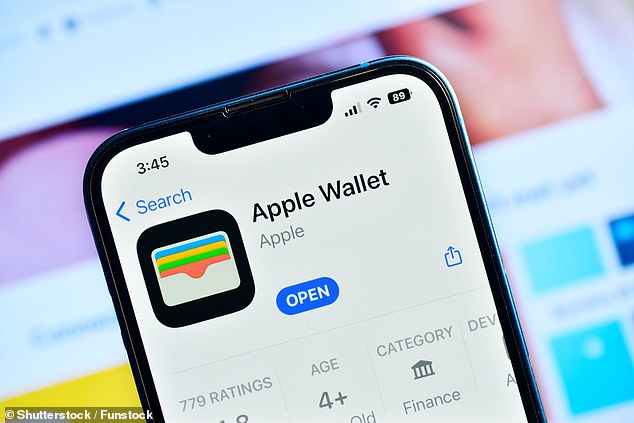
In the US, it is now possible for American travellers to load their passport into Apple’s Digital ID.
When going through security, passengers simply have to present their digital passport on their iPhone or Apple Watch.
The system works by using the iPhone camera to scan the photo page of your physical passport.
Your iPhone will also read the chip embedded on the back of the passport to ensure the data’s authenticity.
You’ll then have to take a selfie for verification, and you will be prompted to complete a series of facial and head movements.

In the US, it is now possible for American travellers to load their passport into Apple’s Digital ID
Upon completion, the Digital ID will be added to Apple Wallet. Users do not need to unlock, show, or hand over their device to present their ID.
At launch, Digital ID is accepted at TSA checkpoints at more than 250 airports in the United States.
However, this new technology can only be used for domestic flights within the US.
It is not a replacement for a physical passport, and it cannot be used for international travel or for border crossings.
To create a Digital ID in Apple Wallet, travellers must have iOS 26.1 or later on their device.
It comes as a major passport control change is set to reduce long airport queues for British passengers.
Manchester Airport was the first hub to use the new technology as it underwent a trial last month over a three-week period.
British passport-holders were able to be quickly processed via the devices, which were fitted onto the e-gates and used facial recognition.
Phil Douglas, Border Force director-general, told The Times how the trial had been a success, suggesting the tech ‘considerably reduced’ processing times.

British passport-holders were able to be quickly processed via the devices which were fitted onto the e-gates and used facial recognition
He explained: ‘So people approach the e-gate, it recognises them [as] already on our database, and they’re checked through.’
Technology, including biometrics and AI facial recognition, is now used alongside documents like passports in a huge shift for border control methods, Phil shared.
He said: ‘The border has really changed over the last few years, and that work is picking up pace.
‘Public expectations have changed and technology has changed.’
#Travellers #finally #add #passports #Apple #Wallet #catch
