

 Getty Images
Getting around in Mexico
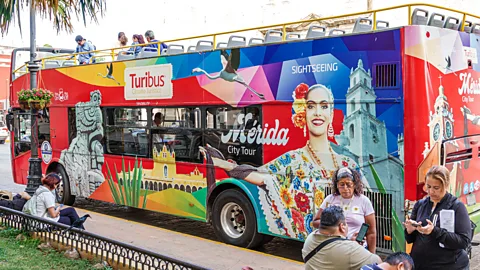
Mexico City, Guadalajara and Monterrey have metro systems, and taking advantage of these can be way more efficient than travelling by car. (Note, though: for your safety, do not ride at night or with valuables.) Networks of buses also cover much of Mexico, and this is my preferred way of getting around. Their services range from luxe to basic. First class and deluxe buses are extremely comfortable, with reclining seats and toilet facilities on board. Many local transit systems here also include minibuses (colectivos). Train lines, like the new Tren Maya and saucy Tequila Express offer high-efficiency ways to get around.
Weather Considerations
Hurricane season runs between June to November and affects both Yucatán on the Gulf and Mexico’s entire Pacific Coast. Between November and February, it gets cold in the central highlands, particularly at night when temps fall as low as 30F (-1C). Sargassum, a type of seaweed, can overtake the Yucatán coast and make wading and swimming difficult, typically between April and October.
Best time to visit
Given the massive size of Mexico – it could contain the UK, Germany, France and Spain combined – seasonal conditions vary widely depending on where you are. Broadly, though, it does operate around two primary seasons: rainy and dry. Rainy season, May to September, brings the hottest and most humid temperatures in many regions, along with afternoon showers. The Yucatán’s wettest months extend to September, which is hurricane season there. Dry (and high, or busy) season, December to April, sees the so-called “winter snow birds” descend – those fleeing from colder climes to Mexico’s mild temperatures. July and August are hot and bring both Mexican and foreign tourists.
 Getty Images
Seasonal highlights
Mexico is full of festivities. Each month brings something exciting, whether it’s a religious holiday or a natural phenomenon. The following are my favorites.
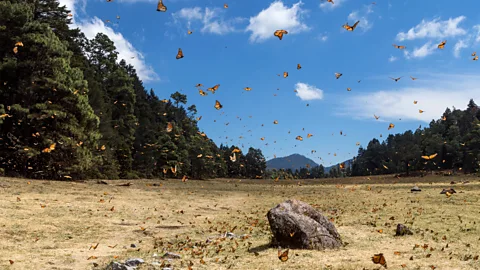
February is prime time for whale watching around Baja California, and monarch butterfly season in the Reserva Mariposa Monarca (Monarch Butterfly Reserve). The town of Loreto made it onto The BBC’s top 20 places to visit in 2026 for wildlife-rich waters, desert islands and conservation-led adventure.
In March, experience the vernal equinox at Chichén Itzá (as well as the autumnal equinox in September). Of course, April brings the Semana Santa (Holy Week), between Palm Sunday and Easter Sunday, with processions and re-enactments.
Autumn highlights include Día de la Independencia, with celebrations marking Independence Day, on 16 September, as well as Día de Muertos (Day of the Dead). Every 2 November, all over Mexico, families commune with their dead – which means you’ll find an abundance of decorated altars and graves, sugar skulls, skeletons and parades, depending on where you are.
—
If you liked this story, sign up for The Essential List newsletter – a handpicked selection of features, videos and can’t-miss news, delivered to your inbox twice a week.
For more Travel stories from the BBC, follow us on Facebook and Instagram.
#plan #trip #Mexico
